English
 Español
 Français
 lingua italiana
 Deutsch
 العربية

When sourcing eyewear products, one of the most important decisions B2B buyers face is choosing the right material. Two of the most popular options in the industry are acetate and TR90. Each has its own advantages in terms of design, cost, durability, and production.
So, acetate vs TR90: which is better? The answer depends on your target market, brand positioning, and order strategy.
In this guide, we’ll compare acetate and TR90 from a manufacturing and business perspective to help you make the right decision.

What Is Acetate in Eyewear?
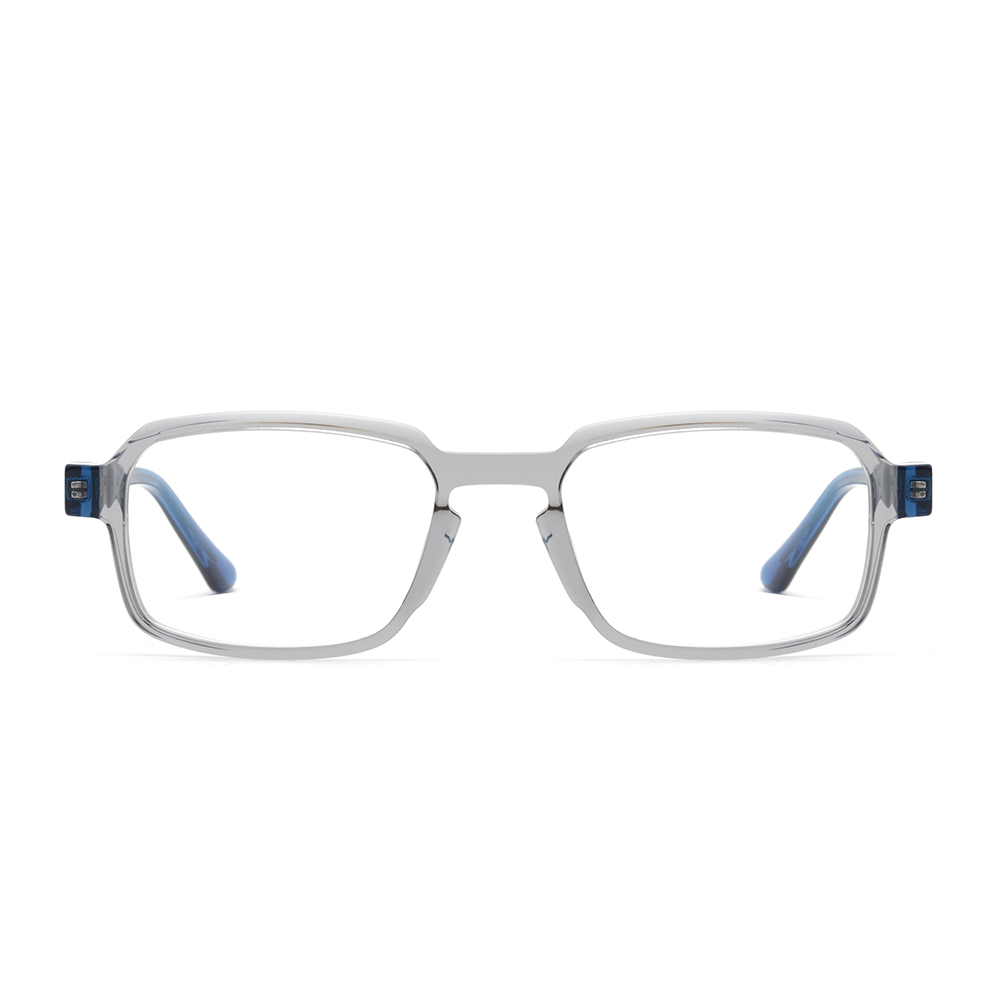
Acetate (cellulose acetate) is a plant-based plastic made from natural fibers such as cotton and wood pulp. It is widely used in premium eyewear.
Key Features of Acetate
- Rich, deep colors and patterns
- Glossy, high-end finish
- Hypoallergenic and skin-friendly
- Heavier and more solid feel
Acetate frames are typically handmade, which gives them a more refined appearance and allows for greater customization.
What Is TR90 in Eyewear?
TR90 is a thermoplastic material developed using Swiss technology. It is known for being lightweight, flexible, and highly durable.
Key Features of TR90
- Extremely lightweight
- High flexibility and impact resistance
- Comfortable for long wear
- Cost-effective for mass production
TR90 frames are usually produced through injection molding, making them ideal for large-scale orders.

Acetate vs TR90: Key Differences
1. Appearance and Brand Positioning
Acetate:
- Premium look and feel
- Unique patterns (tortoiseshell, marble, layered colors)
- Ideal for fashion and luxury brands
TR90:
- Simple and clean appearance
- Limited pattern depth
- Better suited for sports, functional, or budget lines
Conclusion: If your brand focuses on aesthetics and perceived value, acetate is the better choice.
2. Weight and Comfort
Acetate:
- Heavier than TR90
- Provides a solid, high-quality feel
TR90:
- Ultra-lightweight
- Flexible and comfortable for all-day wear
Conclusion: TR90 is better for comfort, especially for active or performance eyewear.
3. Durability and Flexibility
Acetate:
- Strong but less flexible
- Can break under high stress
TR90:
- Highly flexible and bend-resistant
- Excellent for sports and kids’ eyewear
Conclusion: TR90 wins in durability and flexibility.
4. Customization Options
Acetate:
- High customization potential
- Multi-layer colors
- Custom shapes and thickness
- Logo engraving and metal core options
TR90:
- Limited customization
- Mostly color changes and basic logo printing
Conclusion: Acetate offers significantly more design flexibility.
MOQ Comparison: Acetate vs TR90
MOQ (Minimum Order Quantity) is a critical factor for B2B buyers.
Acetate MOQ
- Typical MOQ: 300–500 pcs per model
- Higher for fully custom designs
- Lower MOQ possible with stock materials
TR90 MOQ
- Typical MOQ: 800–1000 pcs
- Injection molding may require 1200+ pcs for new molds
- Lower MOQ available for existing molds
Key Insight: TR90 may require higher MOQ if new molds are needed.
Production Process Differences
Acetate Production
- Cutting acetate sheets
- CNC machining
- Hand polishing
- Assembly
- Production time: 70–90 days
- Labor-intensive
- Higher craftsmanship value
TR90 Production
- Injection molding
- Trimming and finishing
- Assembly
- Production time: 20–30 days
- Highly automated
- Faster turnaround
Conclusion: TR90 is more efficient for fast production, while acetate offers higher perceived value.
Cost Comparison
Acetate
- Higher material cost
- More labor required
- Higher unit price
TR90
- Lower material cost
- Automated production reduces labor
- More competitive pricing
Conclusion: TR90 is more cost-effective, especially for large-volume orders.
Which Material Is Better for Your Business?
Choose Acetate If You:
- Target mid-to-high-end markets
- Focus on design and brand identity
- Need strong customization options
- Want to create a premium product line
Choose TR90 If You:
- Target sports or functional markets
- Need lightweight and flexible frames
- Focus on price competitiveness
Plan large-volume production
Conclusion: Acetate vs TR90—Which Is Better?
There is no universal winner in the acetate vs TR90 comparison. The right choice depends on your business goals:
- Acetate is best for premium, design-driven eyewear with high customization
- TR90 is ideal for lightweight, durable, and cost-efficient products
For many B2B buyers, the smartest strategy is to combine both materials across different product lines.
Start Your Eyewear Project Today
Choosing the right material is key to building a successful eyewear collection. Whether you prefer acetate, TR90, or a hybrid solution, working with the right manufacturer makes all the difference.
Contact us today to get expert advice, flexible MOQ options, and full customization support. Let’s turn your eyewear ideas into high-quality products that stand out in the market.
Looking for acetate&TR90 options? Check our acetate link and TR90 link here.