English
 Español
 Français
 lingua italiana
 Deutsch
 العربية
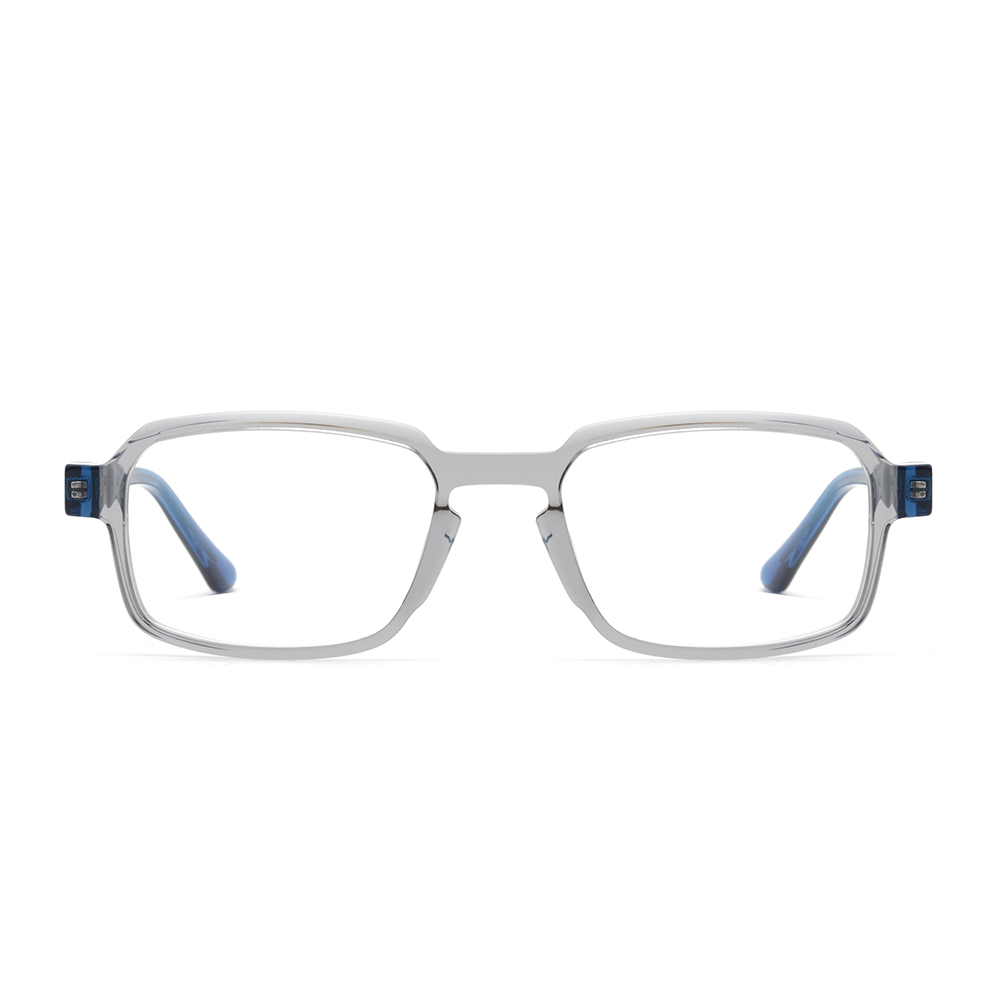
Acetate eyeglass frames are one of the most popular choices in the eyewear industry. Known for their premium appearance, rich color options, durability, and comfort, acetate frames are widely used by independent eyewear brands, fashion labels, and optical retailers worldwide.
But how are acetate eyeglass frames actually made?
This guide explains the complete manufacturing process of acetate eyewear, from raw material selection to final quality inspection. Whether you are launching a private-label eyewear brand or sourcing frames from a manufacturer, understanding the production process can help you make better decisions.
What Is Acetate Material?
Acetate, also known as cellulose acetate, is a plant-based plastic made primarily from natural cotton fibers and wood pulp. Unlike injection-molded plastics, acetate sheets are produced separately and then cut and shaped into eyewear frames.
Benefits of acetate eyewear include:
Because of these advantages, acetate remains one of the most widely used materials in high-quality eyewear manufacturing.
Step 1: Acetate Sheet Selection
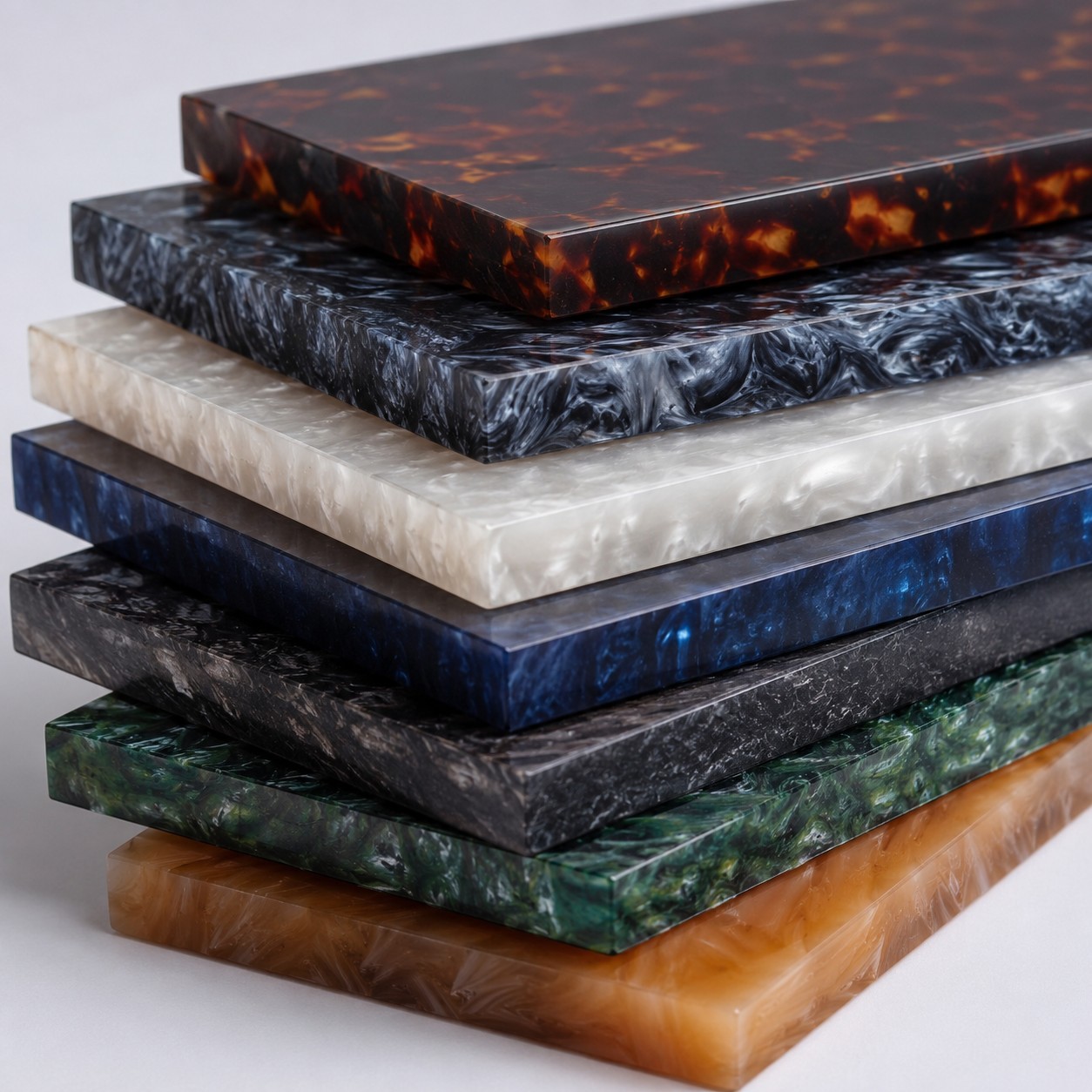
The manufacturing process begins with selecting acetate sheets.
These sheets come in thousands of colors, patterns, and finishes, including:
Manufacturers carefully inspect the sheets for color consistency, thickness, and material quality before production begins.
For private-label projects, brands often select custom acetate colors to create exclusive collections.
Step 2: Frame Front Cutting
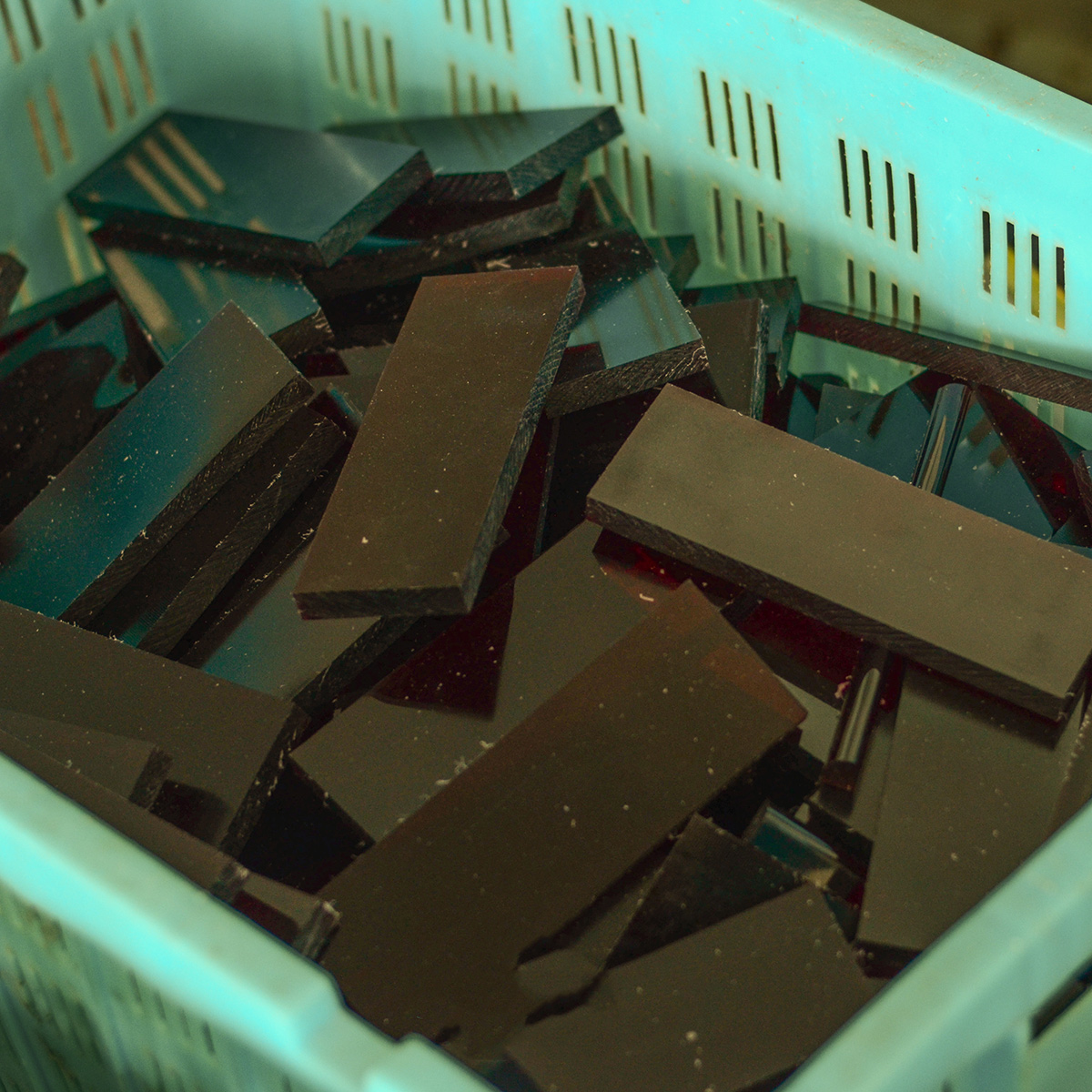
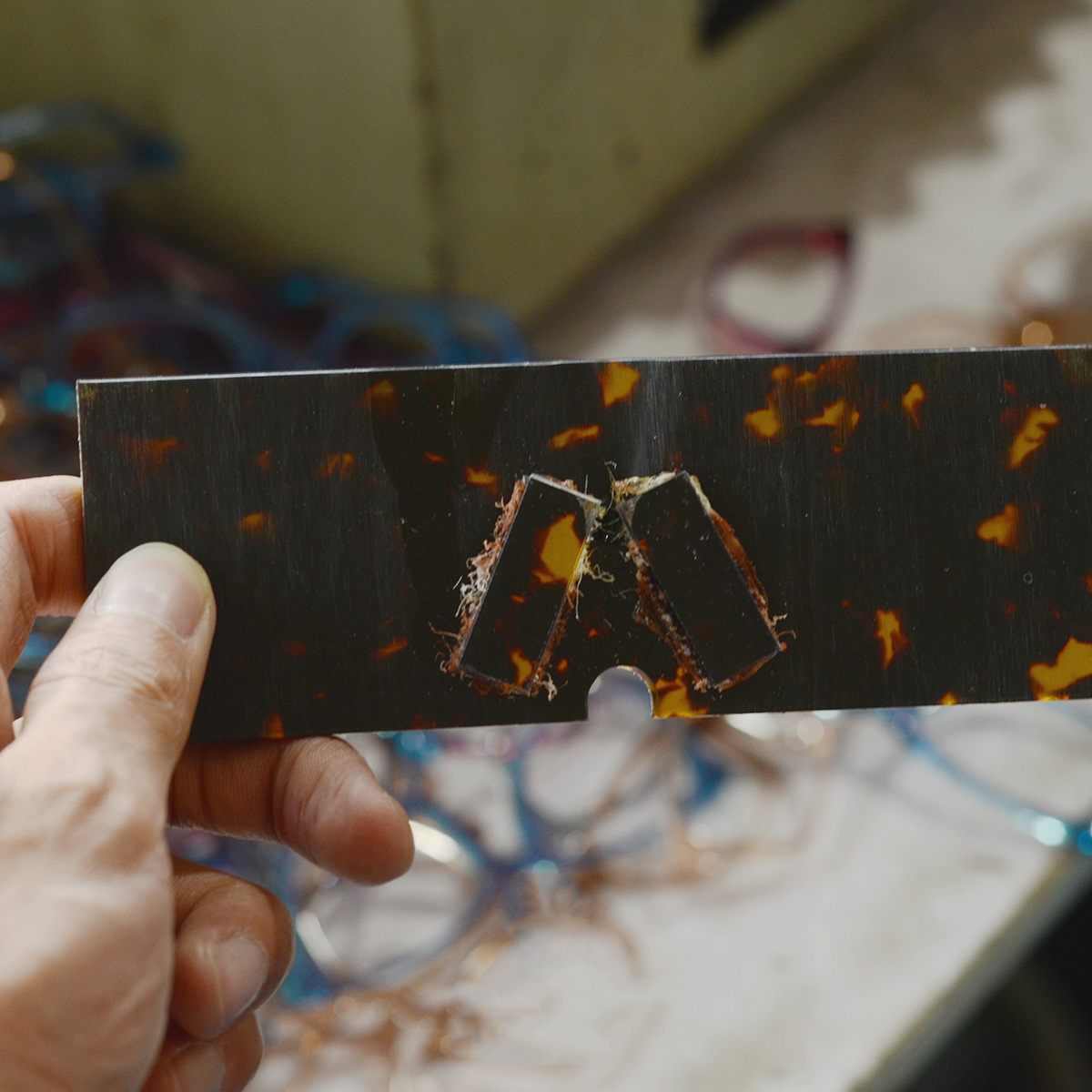
Once the acetate sheets are approved, the frame front is cut from the sheet.
Modern factories typically use CNC machines to achieve precise dimensions and repeatable quality.
During this stage:
Accurate cutting is critical because it determines the final frame shape and lens fitting accuracy.
Step 3: Temple Cutting
The temples (arms) are cut separately from acetate sheets.
Manufacturers ensure:
If a frame uses laminated acetate, special attention is paid to maintaining pattern alignment across all components.

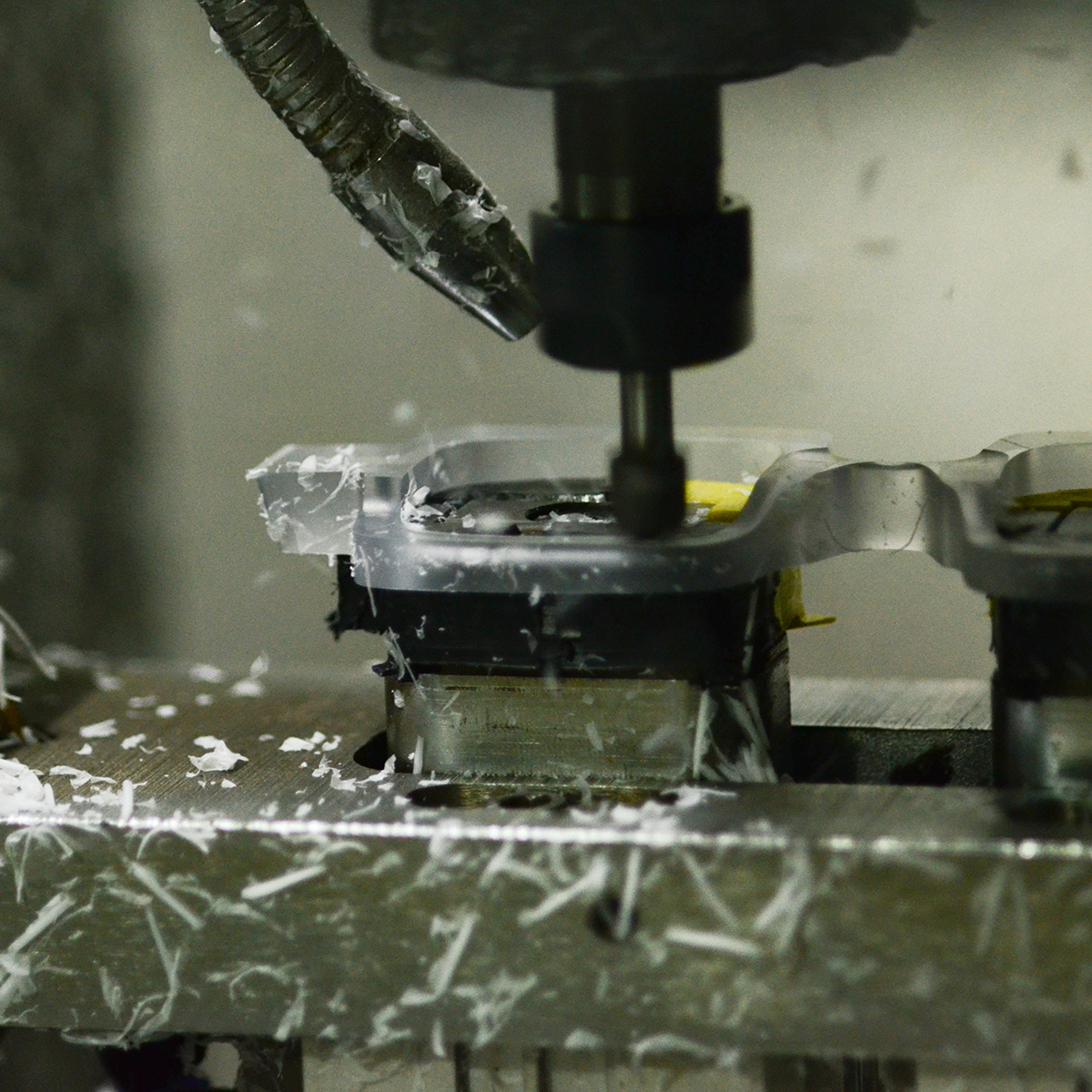
Step 4: Milling and Shaping
After cutting, the frame components move to CNC milling machines.
This process creates:
Milling transforms the rough-cut pieces into recognizable eyewear components.
The precision of this step significantly affects both aesthetics and comfort.
Step 5: Hinge Installation
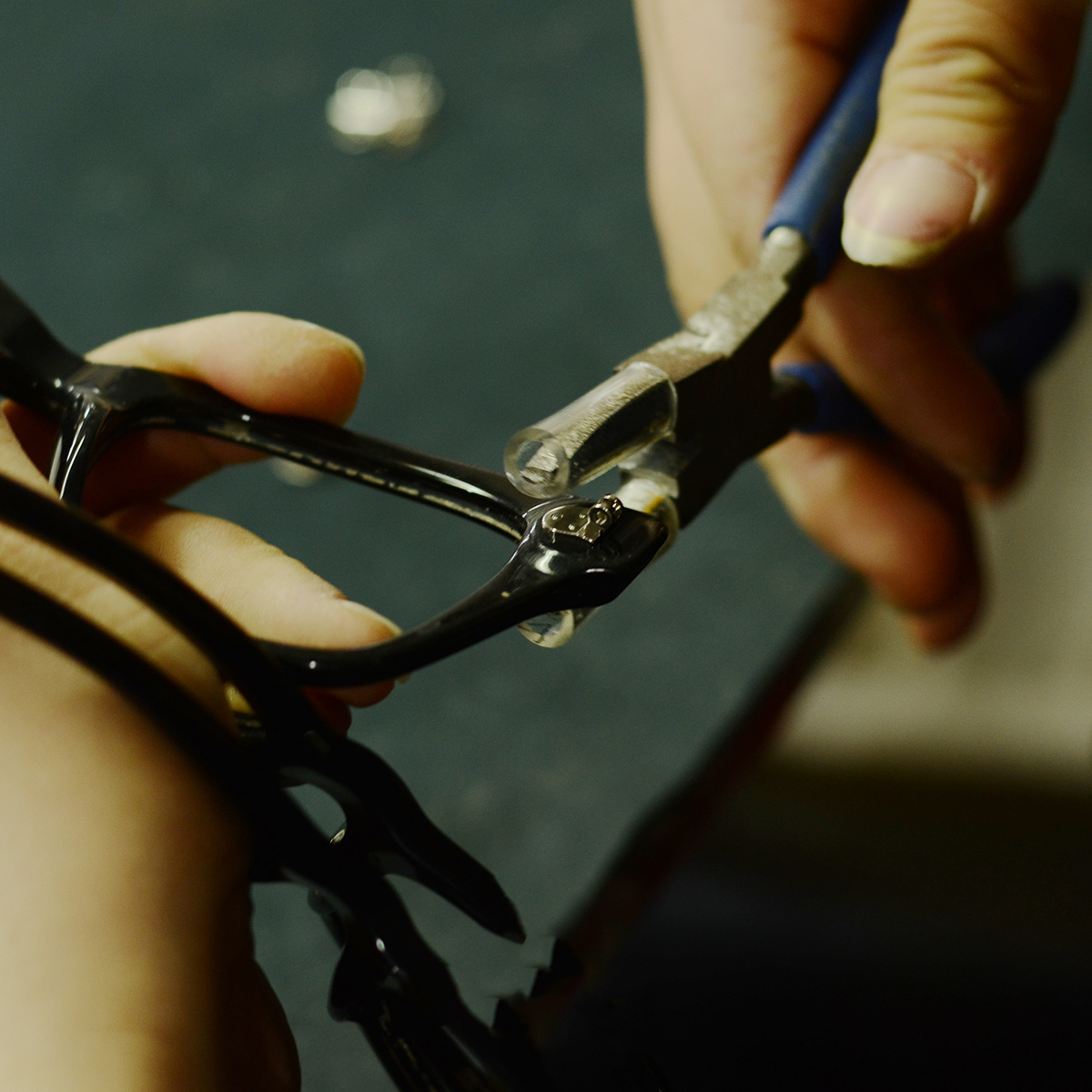
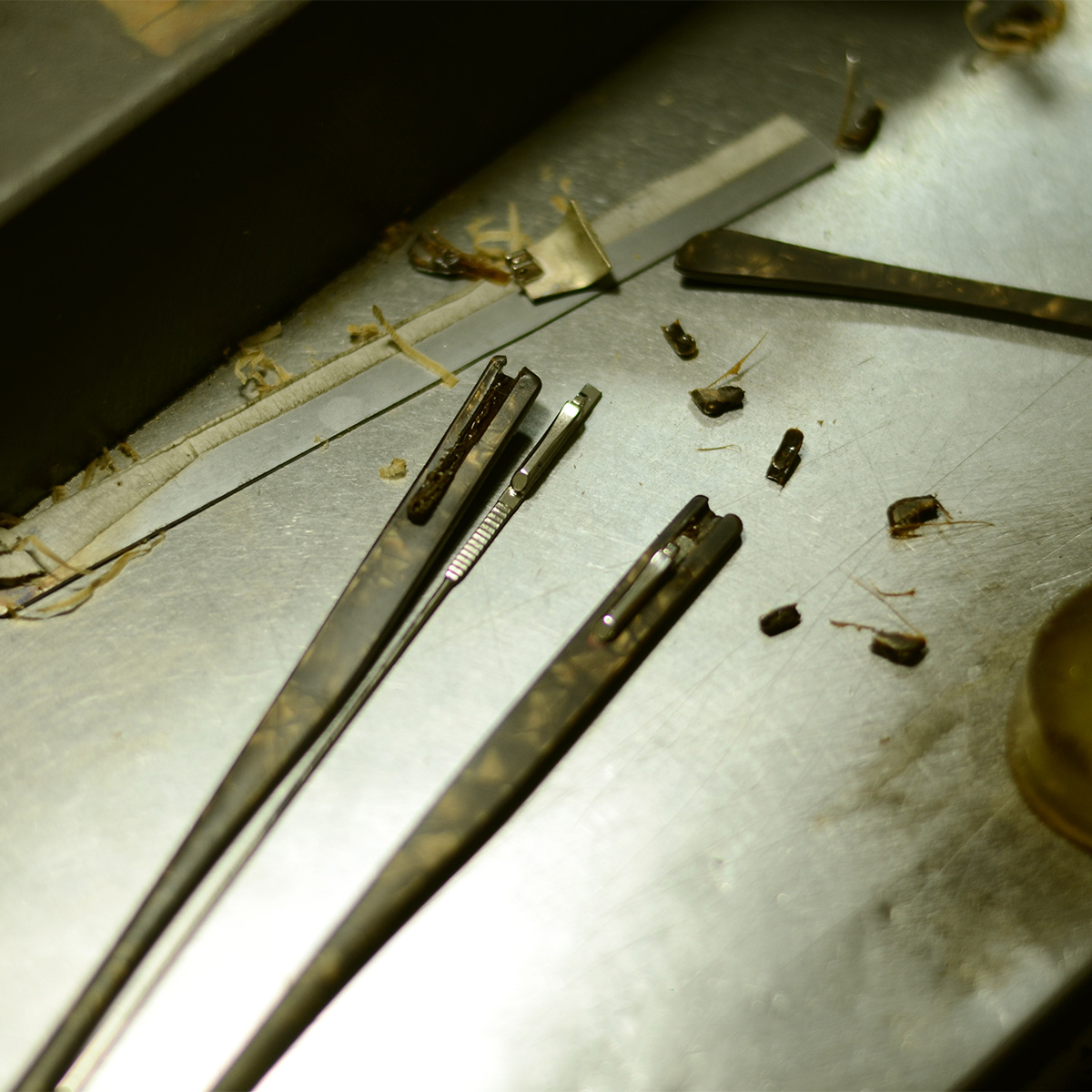
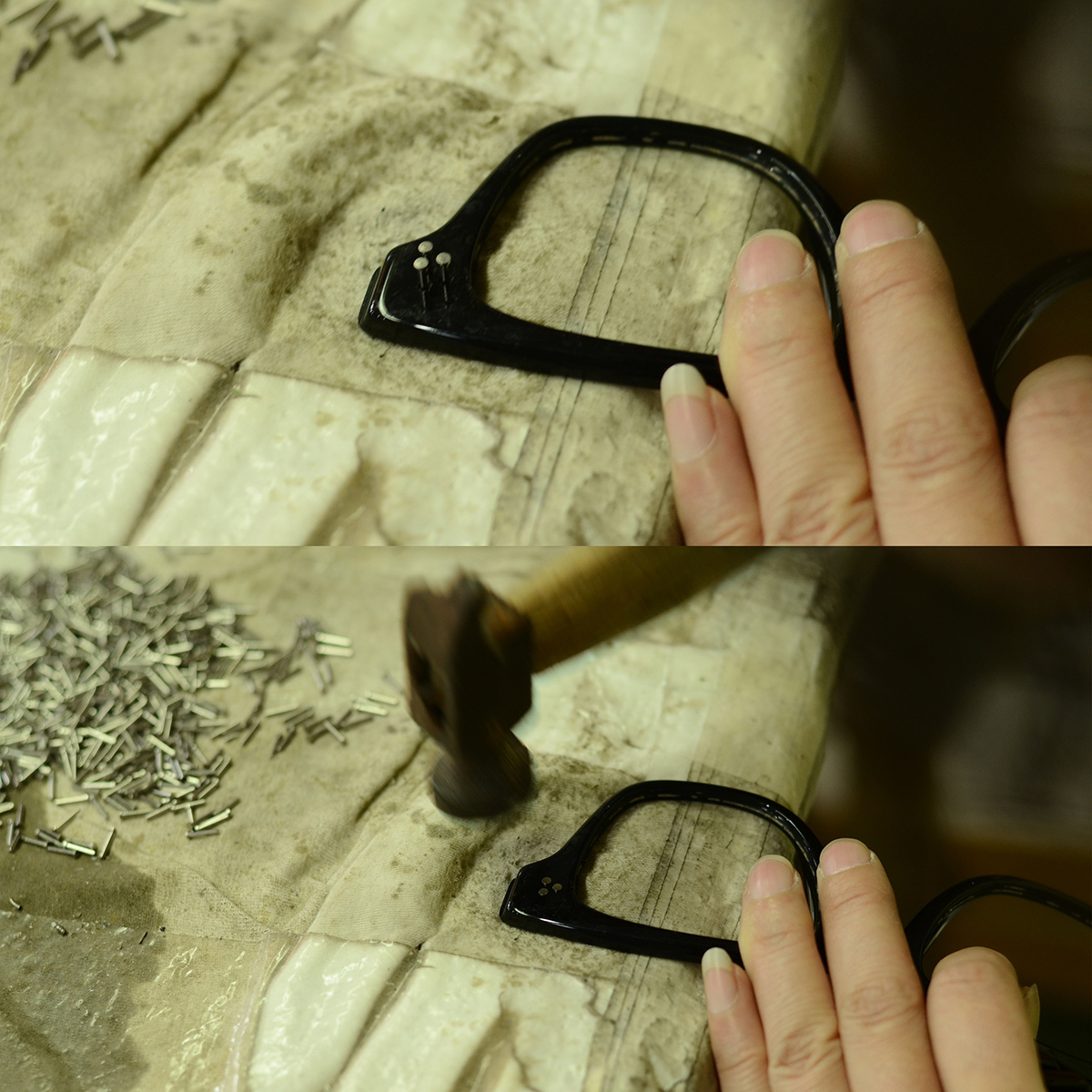
Metal hinges are inserted into the frame front and temples.
Common hinge options include:
The hinges are typically secured through a heat insertion process, ensuring strong long-term performance.
Premium eyewear manufacturers often conduct pull tests and durability tests after hinge installation.
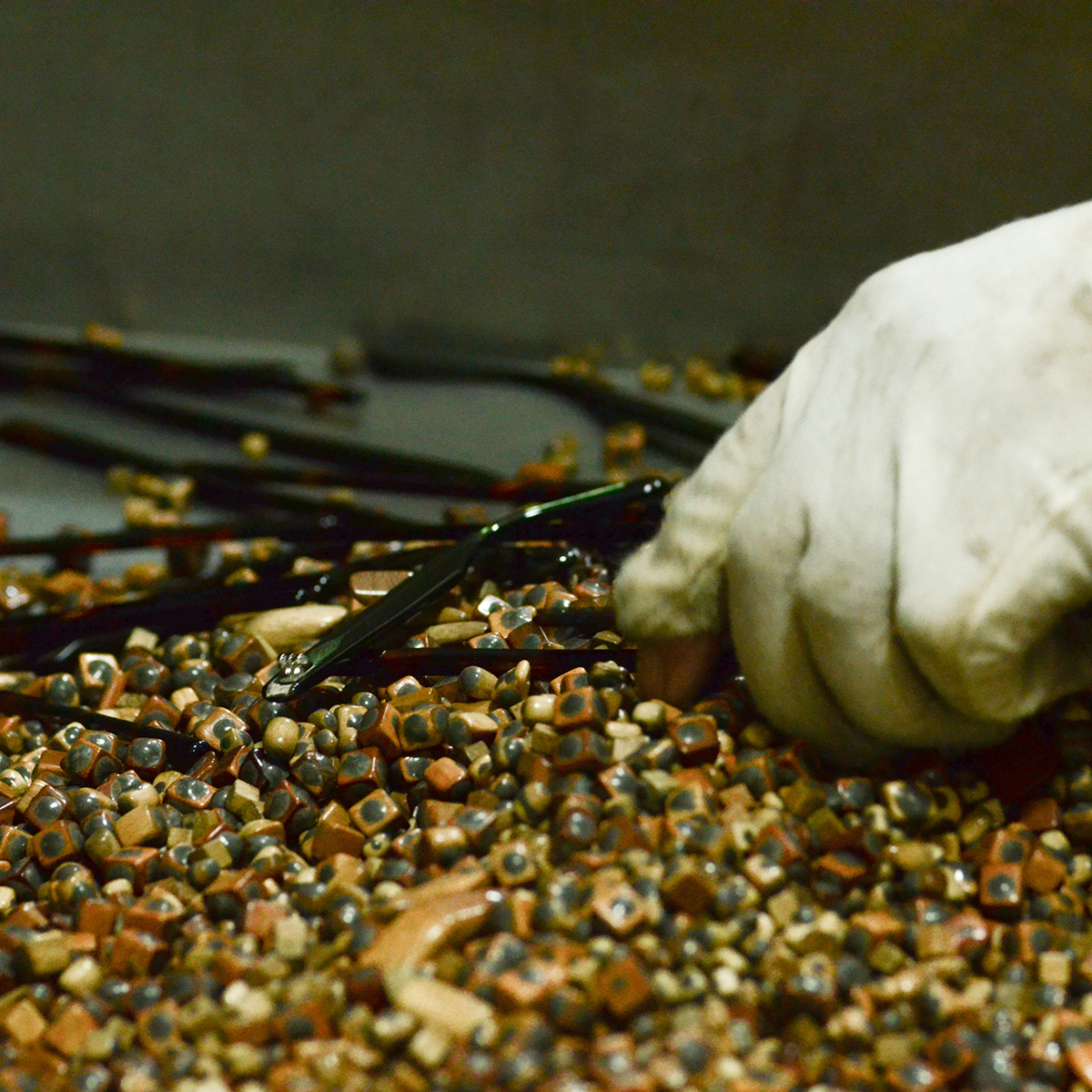
Step 6: Hand Finishing and Tumbling
At this stage, frames still have rough edges.
To achieve a smooth surface, frames undergo multiple polishing processes.
These may include:
Depending on the desired finish, the process can take several days.
The goal is to create:
This stage is one of the key factors that separates premium acetate eyewear from low-cost alternatives.
Step 7: Frame Assembly
After polishing, the frame front and temples are assembled.
Technicians carefully:
Proper assembly ensures long-term durability and wearing comfort.
Step 8: Logo Application and Branding
Most eyewear brands add custom logos before final inspection.
Popular logo methods include:
Metal Logo
A metal logo is inserted into the temple surface, creating a premium and durable appearance.
Laser Engraving
Logos are engraved directly into the acetate material.
Foil Stamping
Metallic foil is pressed into engraved areas for a clean branded look.
Epoxy Logo
Colored epoxy filling creates a vibrant logo effect.
Private-label brands often combine multiple logo techniques to enhance brand recognition.
Step 9: Frame Adjustment
Each frame is adjusted manually before packaging.
Technicians check:
Small adjustments at this stage greatly improve the final user experience.
Step 10: Quality Control Inspection
Quality control is one of the most important steps in acetate eyewear manufacturing.
Professional factories typically inspect:
Appearance
Dimensions
Functionality
Branding
Only products that pass inspection proceed to shipment.
Frequently Asked Questions
Are acetate frames better than plastic frames?
Acetate generally offers better durability, richer colors, and a more premium feel than standard injection-molded plastic frames.
Can acetate frames be customized?
Yes. Most manufacturers can customize colors, shapes, logos, metal decorations, packaging, and branding elements.
Are acetate frames environmentally friendly?
Cellulose acetate is derived from renewable plant-based materials, making it a more sustainable option compared to petroleum-based plastics.
What is the minimum order quantity for custom acetate frames?
MOQ varies by manufacturer. Many eyewear factories offer flexible MOQs for private-label projects.
Conclusion
Acetate eyeglass frames are the result of a detailed manufacturing process that combines advanced machinery with skilled craftsmanship. From acetate sheet selection and CNC cutting to polishing, assembly, and quality control, every step contributes to the final quality of the frame.
For eyewear brands looking to create premium collections, understanding how acetate frames are made can help ensure better product development, sourcing decisions, and long-term brand success.
At Searay Optical, we specialize in custom acetate eyewear manufacturing, offering private-label solutions, custom logo services, and strict quality control for brands worldwide.