English
 Español
 Français
 lingua italiana
 Deutsch
 العربية
Finding a trustworthy eyewear supplier is one of the most important steps for brands, wholesalers, and retailers in the optical industry. A reliable supplier not only ensures consistent product quality but also helps you stay competitive in a fast-changing market. Here are the key factors to consider when choosing the right eyewear source:
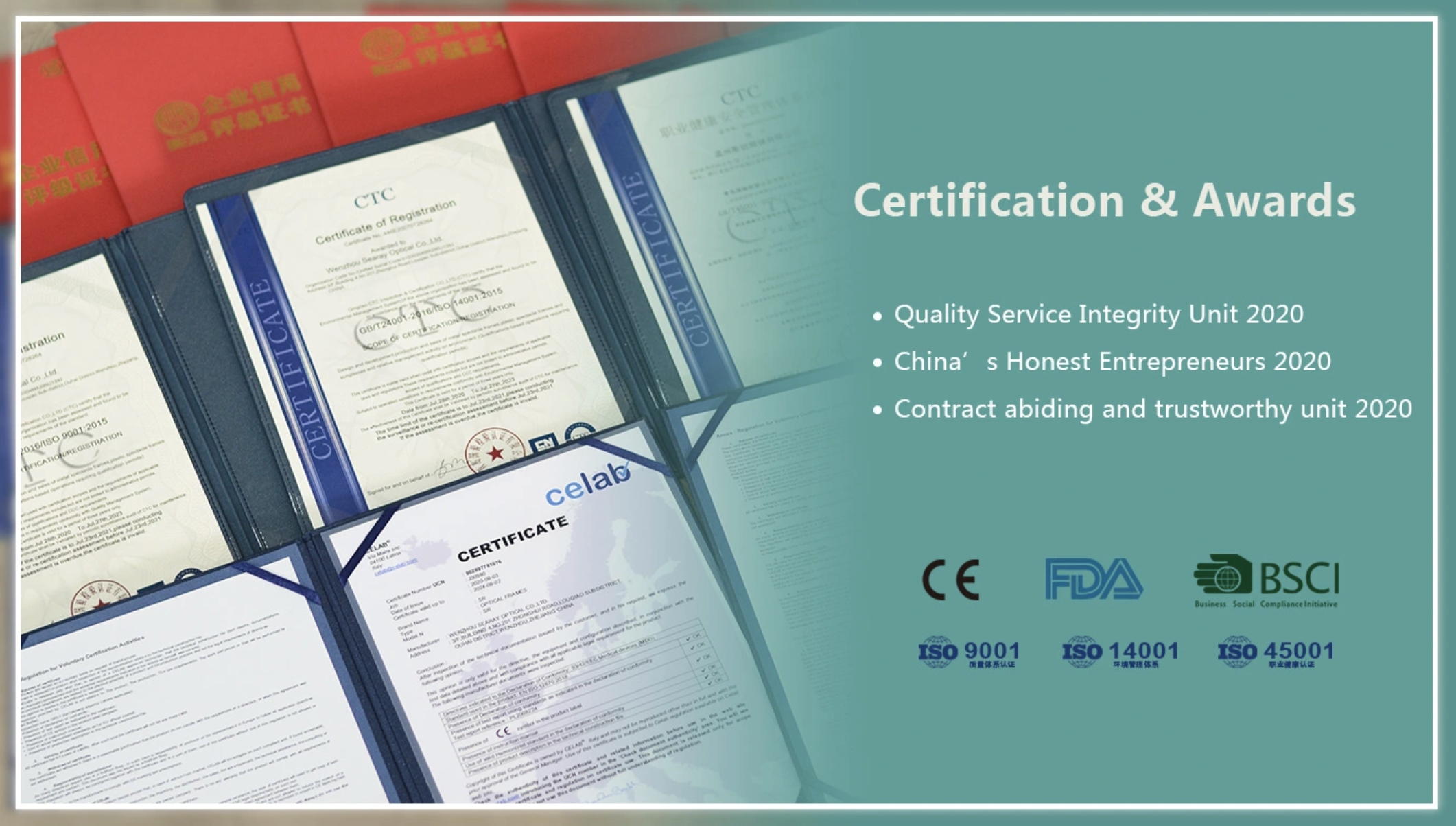
1. Check Certifications and Compliance
- Look for suppliers with internationally recognized certifications such as ISO 9001 (quality management system).
- For overseas markets, ensure they meet CE (Europe), FDA (USA), or EN ISO 12870 standards for eyewear.
- A compliant supplier reduces the risk of customs issues and ensures safety for end-users.
2. Evaluate Product Quality
- Always request samples before placing bulk orders. Pay attention to:
- Frame materials (TR90, ULTEM, acetate, metal) and whether they match the description.
- Details such as hinge durability, surface finishing, weight, and comfort.
- For sunglasses, confirm UV400 or polarized lens protection.
- Consider third-party inspection or factory audits for added assurance.
3. Assess Production Capacity and Lead Time
- Ask about monthly production output and whether they can handle your order volume.
- Check their track record on on-time delivery—delays can disrupt your sales cycle.
- Some suppliers may offer small MOQ (minimum order quantity), which is ideal for testing new collections.
4. Design and Product Range
- Strong suppliers usually provide updated collections following fashion trends.
- Check if they offer OEM/ODM services to support private labeling or custom designs.
- A supplier with an in-house design team can give you an advantage in product differentiation.
5. Pricing and Terms
- Compare quotations from multiple suppliers, but don’t choose solely based on the lowest price.
- Clarify payment terms (deposit, balance, or letter of credit).
- Understand shipping options—air freight, sea freight, or express—and factor in logistics costs.
6. After-Sales Service
- Ask about return and replacement policies for defective items.
- Check if they provide spare parts such as nose pads, screws, or cleaning cloths.
- Good communication and responsive service are key for long-term cooperation.



Final Tips
- Start by sourcing through international trade shows (MIDO, SILMO, Canton Fair) or trusted B2B platforms.
- Shortlist suppliers based on certifications, samples, and service.
- Place a trial order before committing to large volumes.
- Build long-term partnerships with suppliers who demonstrate reliability, flexibility, and innovation.
- Searay Optical
service@searayoptical.com | www.searayopticcal.com
Whatsapp: 0086 13025018601 | Tel: 0086-577-88517199