English
 Español
 Français
 lingua italiana
 Deutsch
 العربية

Quality control is a critical part of eyewear production. Whether you are sourcing optical frames or sunglasses, consistent quality ensures customer satisfaction, reduces returns, and protects your brand reputation. In a competitive global market, buyers expect durable materials, precise construction, and compliance with safety standards.
This guide explains how quality control works in eyewear manufacturing, what to check at each stage, and how to build a reliable process with your supplier.
Why Quality Control Matters in Eyewear
Eyewear is both a functional and fashion product. Poor quality can lead to:
- Misaligned frames that affect comfort and vision
- Weak hinges that break easily
- Inconsistent colors or finishes
- Failure to meet regulatory standards (CE, FDA, etc.)
Strong quality control helps you:
- Reduce defective rates
- Avoid costly returns and complaints
- Maintain consistent product standards
- Build long-term customer trust
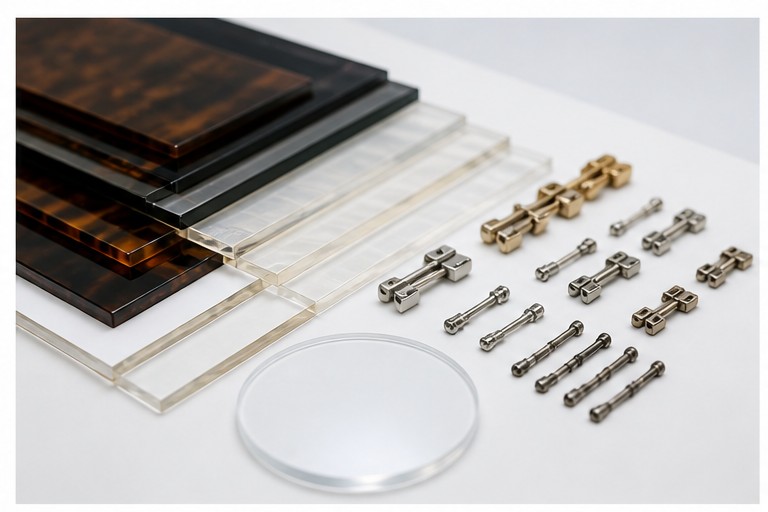
1. Raw Material Inspection
Quality starts before production begins. All materials must meet defined specifications.
What to check:
- Acetate sheets: color consistency, thickness, flexibility
- TR90 material: elasticity and durability
- Metal parts: corrosion resistance, smooth finish
- Lenses: clarity, scratch resistance, UV protection
Tip: Always request and approve material samples before bulk production.
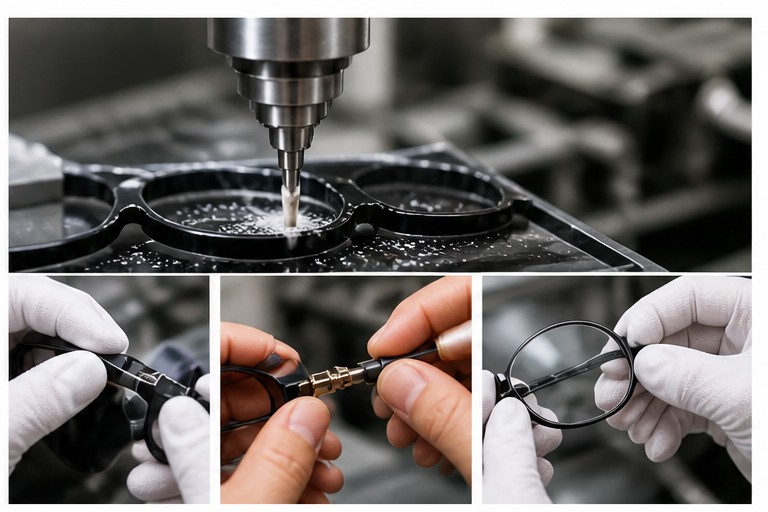
2. In-Process Quality Control
Monitoring during production helps detect and correct issues early.
Key checkpoints:
- Frame cutting and shaping accuracy
- Polishing quality and surface smoothness
- Hinge installation and alignment
- Lens fitting precision
Common issues:
- Uneven polishing
- Loose screws
- Frame warping
Regular in-line inspections significantly reduce large-scale defects.
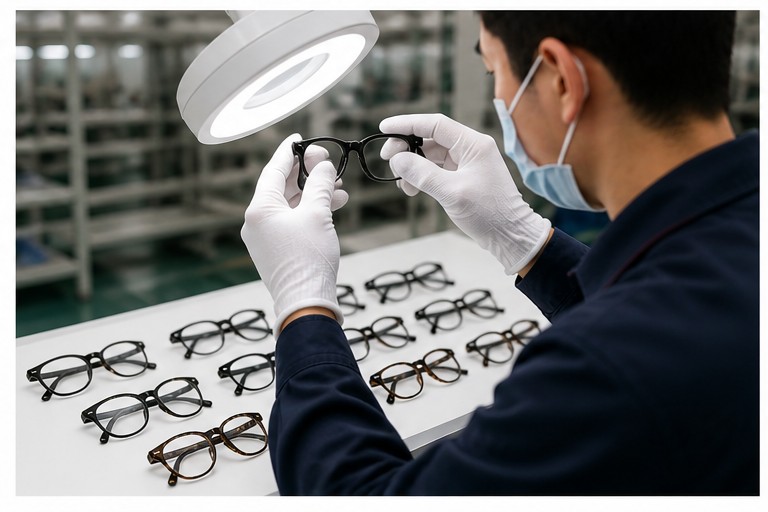
3. Final Product Inspection
Before shipment, all finished products should undergo a comprehensive inspection.
Checklist:
Visual Inspection
- No scratches, dents, or marks
- Even color and finish
- Clean lenses
Functional Testing
- Hinges open and close smoothly
- Frames sit evenly on a flat surface
- Lenses are properly aligned
Measurement Check
- Frame size matches specifications
- Symmetry between left and right sides
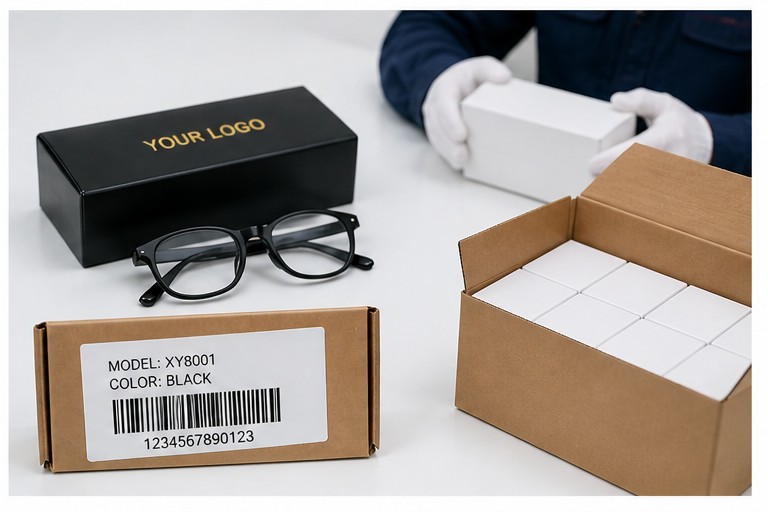
4. Packaging Inspection
Packaging is part of overall product quality—especially for B2B buyers.
Check:
- Correct labels and barcodes
- Proper logo printing
- Secure packaging to prevent damage
Even high-quality products can be compromised by poor packaging during shipping.
Quality Standards and Certifications
To sell in international markets, eyewear must comply with recognized standards.
Common certifications:
- CE Certification (Europe)
- FDA Registration (USA)
- ISO Quality Management Systems
These ensure products meet safety, durability, and performance requirements.
Tip: Always verify certifications independently rather than relying solely on supplier claims.
Common Quality Issues in Eyewear Production
Even experienced factories encounter quality challenges. Understanding these risks helps you prevent them.
- Frame Misalignment
Often caused by poor assembly or low-quality hinges - Surface Defects
Scratches, bubbles, or uneven polishing - Weak Hinges
Resulting from low-quality screws or improper installation - Color Inconsistency
Common in acetate frames without strict material control - Lens Problems
- Loose fitting
- Poor UV protection
- Optical distortion
How to Build an Effective Quality Control Process
Consistency comes from having a structured system in place.
1. Define Clear Specifications
Provide detailed product requirements, including:
- Materials
- Dimensions
- Colors
- Logo placement
The more precise your specifications, the fewer misunderstandings.
2. Approve Pre-Production Samples
Always confirm a sample before mass production.
Check for:
- Fit and comfort
- Color accuracy
- Overall finish
This step prevents costly large-scale errors.
3. Conduct Third-Party Inspections
Independent inspections add an extra layer of control.
Types:
- Pre-production inspection
- During production inspection
- Pre-shipment inspection
This is especially important when sourcing overseas.
4. Set Acceptable Quality Limits (AQL)
AQL defines the maximum number of acceptable defects in a batch.
Example:
- Critical defects: 0% tolerance
- Major defects: limited tolerance
- Minor defects: higher tolerance
This standardizes expectations between buyer and supplier.
5. Build Long-Term Supplier Relationships
Reliable suppliers improve consistency over time.
Look for partners who:
- Maintain stable production processes
- Communicate clearly
- Take responsibility for quality
Frequent supplier changes often increase risk.
Practical Tips for Buyers
To reduce risk when sourcing eyewear:
- Start with small trial orders
- Request detailed inspection reports
- Ask for real production photos or videos
- Clearly communicate quality standards
- Visit the factory if possible
Conclusion: Turn Quality Control into a Competitive Advantage
Quality control is not just the factory’s responsibility—it is a core part of your business strategy. Strong processes lead to better products, fewer issues, and higher customer satisfaction.
In eyewear production, small details make a big difference. From material selection to final inspection, every step must be carefully managed.
If you’re looking for a reliable eyewear supplier with strict quality control processes, start by clearly defining your standards and working closely with experienced manufacturers. A strong partnership will help you deliver consistent, high-quality products—and grow your business with confidence.