English
 Español
 Français
 lingua italiana
 Deutsch
 العربية
Sunglasses are not just a fashion accessory—they are essential for protecting your eyes from harmful ultraviolet (UV) radiation. When purchasing sunglasses, it is crucial to understand different UV protection standards, lens types, and certification marks. This guide will help you select a truly protective and high-quality pair of sunglasses.
1. The Harmful Effects of UV Rays on Your Eyes
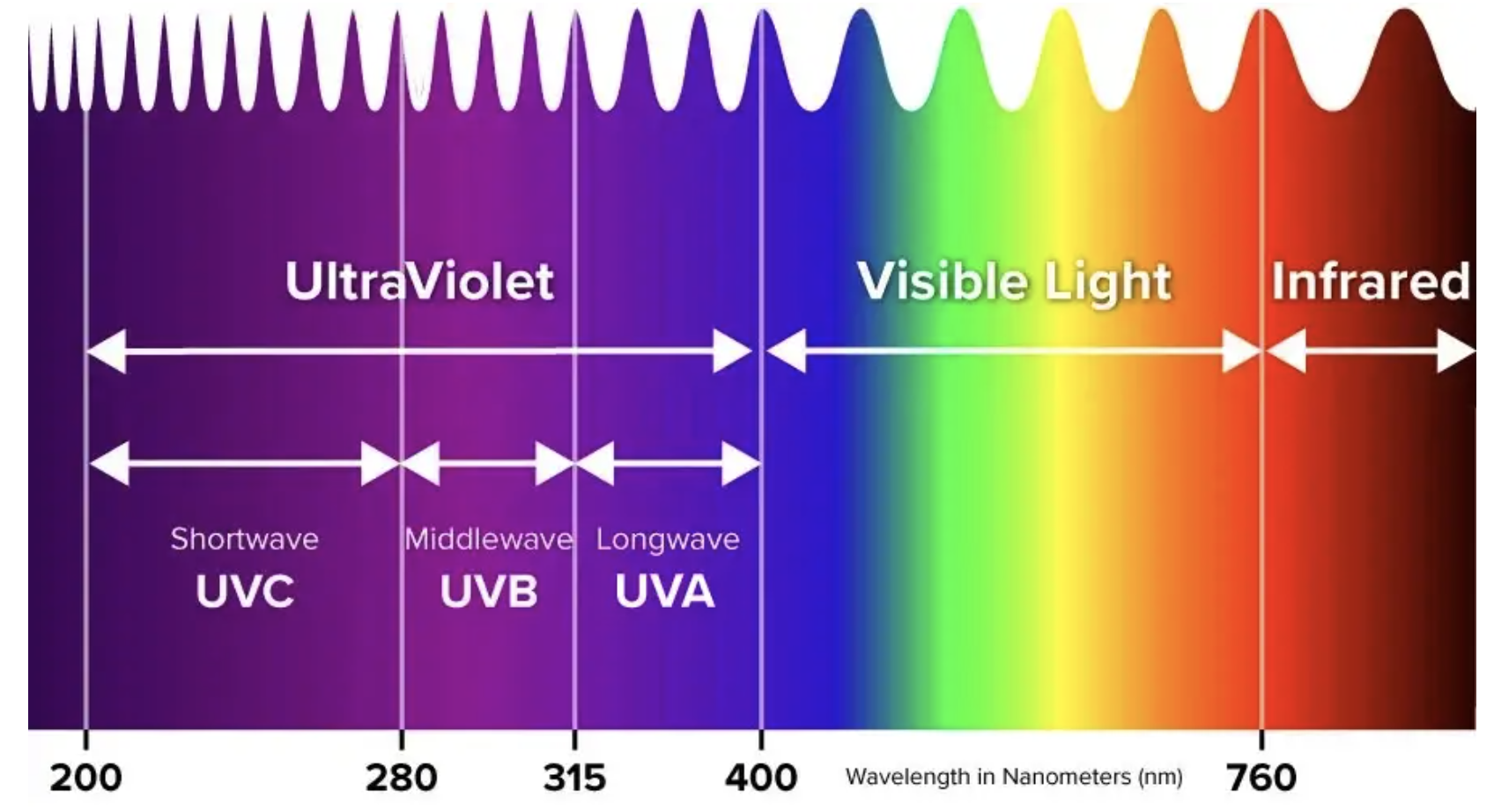
UV radiation is divided into three types:
- UVA (315-400nm): Can penetrate the cornea and reach the lens and retina, potentially causing cataracts, macular degeneration, and eye aging over time.
- UVB (280-315nm): Can cause keratitis, conjunctivitis, and even permanent vision damage.
- UVC (100-280nm): Mostly absorbed by the ozone layer and has little impact on the eyes.
Choosing sunglasses that effectively block UVA and UVB rays helps prevent these eye conditions.
2. UV Protection Standards for Sunglasses
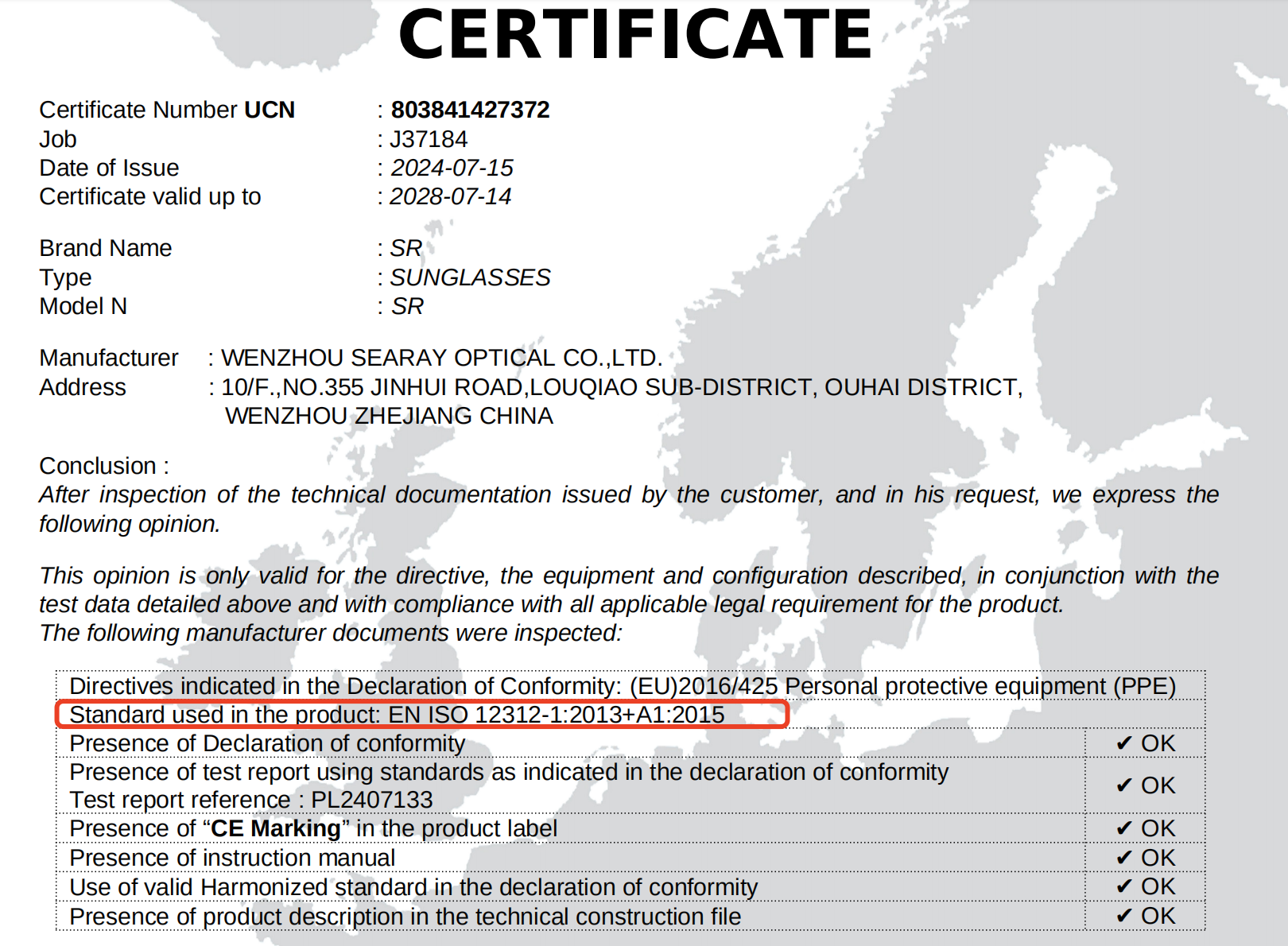
① European Standard (CE / EN ISO 12312-1:2013)
- Sunglasses with CE certification must comply with EN ISO 12312-1:2013, requiring lenses to block at least 99% of UVB and 95% of UVA.
- The CE mark is usually found on the frame or packaging.
② U.S. Standard (ANSI Z80.3)
- Set by the American National Standards Institute (ANSI), this standard requires lenses to block 99% or more of UVB (280-315nm) and 95% or more of UVA (315-400nm).
- Sunglasses meeting this standard are often labeled UV400.
③ Australian/New Zealand Standard (AS/NZS 1067.1:2016)
- This is one of the strictest UV protection standards, requiring sunglasses to block at least 99.9% of UVA and UVB.
- Lenses are classified into Category 0-4 based on visible light transmission (VLT) (details below).
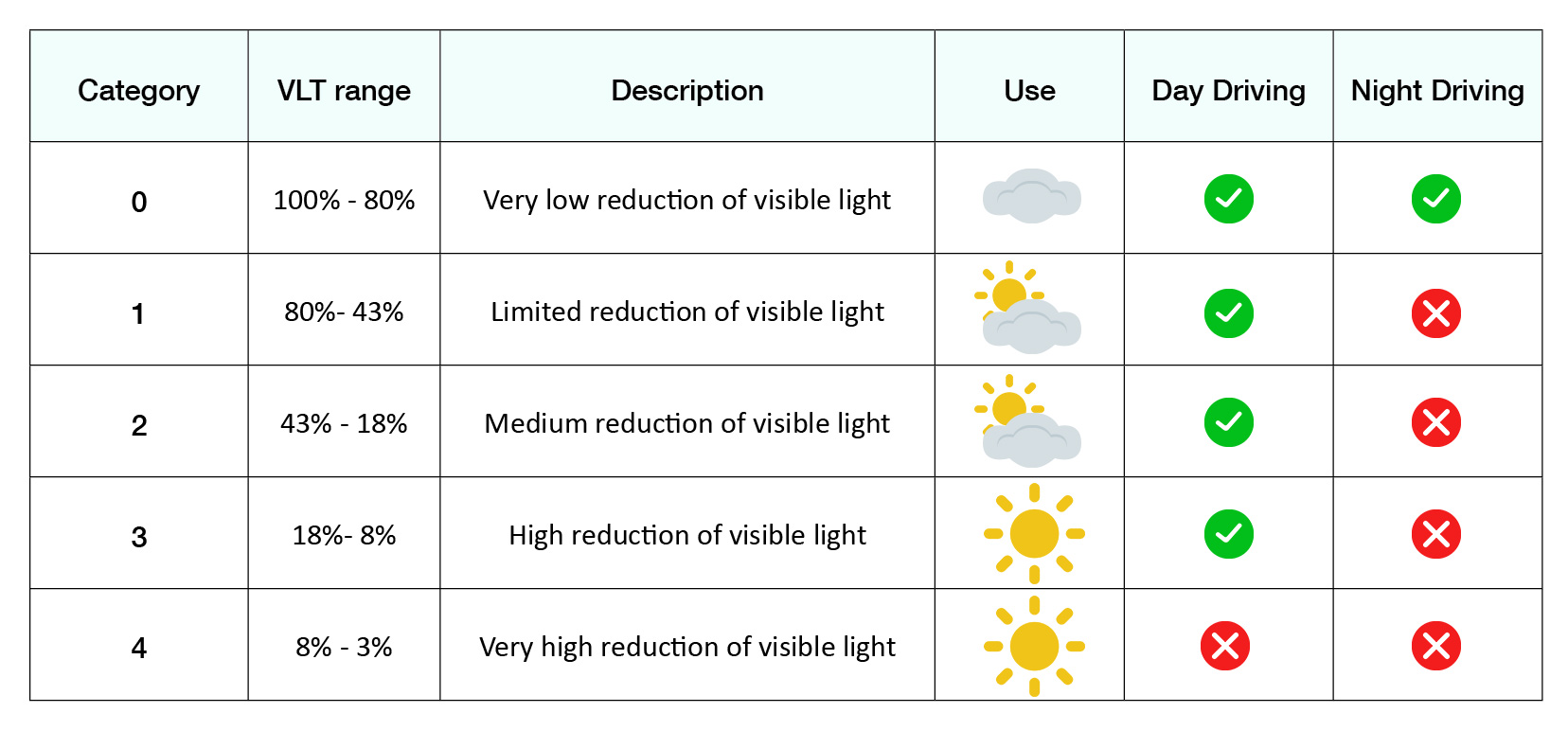
3. Sunglasses are classified into five categories (0-4), for everyday use and most outdoor activities, choose Category 2 or 3 sunglasses.
4. Lens Materials and Features
(1) Lens Materials
- Polycarbonate (PC): Impact-resistant, ideal for sports sunglasses.
- Nylon: Lightweight and durable, used in high-performance sports eyewear.
- Glass: High optical clarity but heavier and fragile.
- CR-39: Lightweight and scratch-resistant, suitable for everyday wear.
(2) Lens Colors and Functions
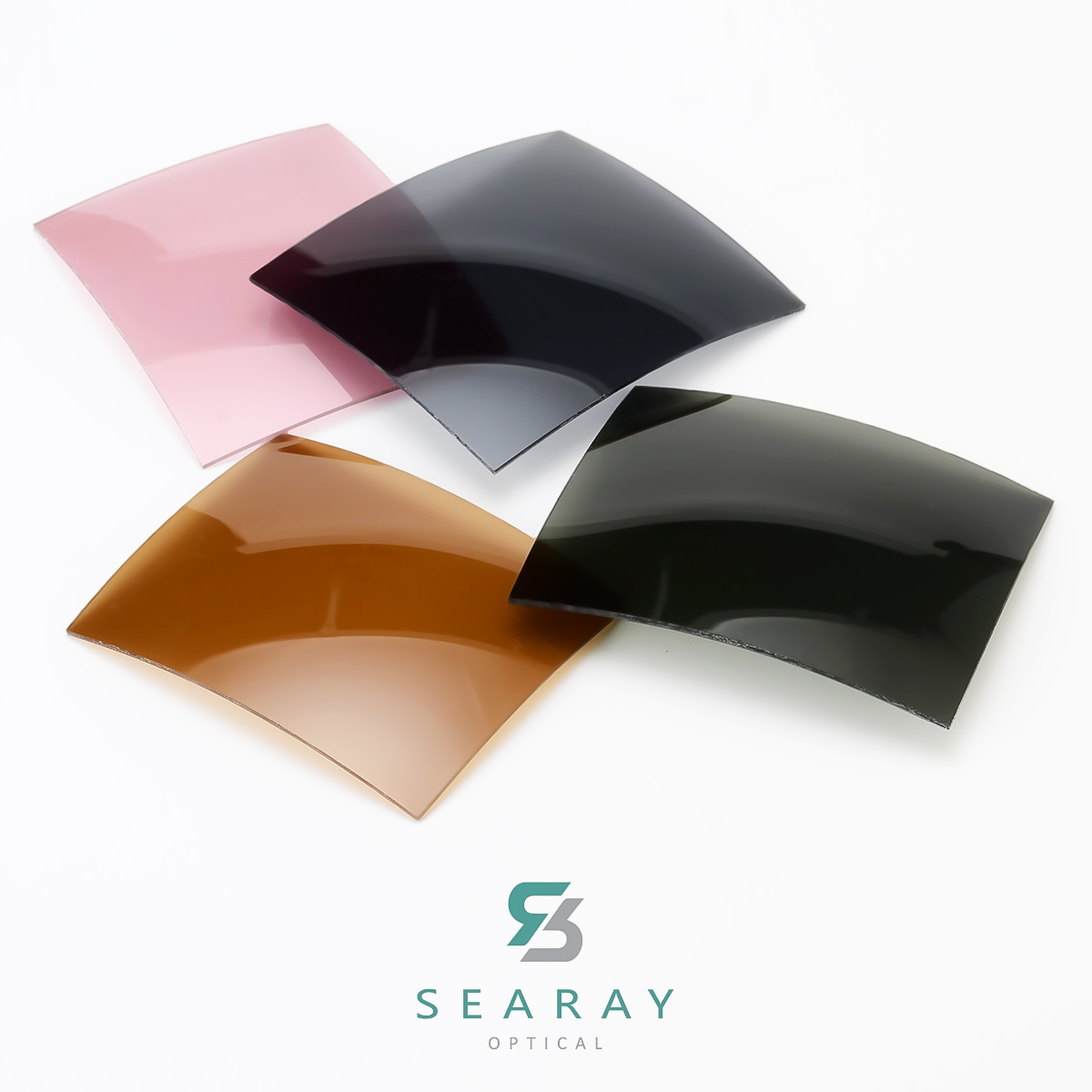
- Gray lenses: Maintain true color perception, suitable for daily wear.
- Brown lenses: Enhance contrast, good for driving and outdoor activities.
- Yellow/Orange lenses: Improve contrast in low-light conditions, great for night cycling.
- Polarized lenses: Reduce glare, ideal for driving and water sports.
- Photochromic lenses: Adjust tint based on UV exposure, suitable for all-day wear.
Conclusion
A good pair of sunglasses should provide UV400 protection and comply with international safety standards (CE, ANSI, AS/NZS). When purchasing, pay attention to lens materials, light transmission levels, color choices, and additional features.
Recommended choices:
- For everyday use: Polarized + gray or brown lenses (VLT Category 2-3).
- For driving: Polarized brown or gray lenses to reduce glare.
- For outdoor sports: PC/nylon lenses with anti-scratch and anti-fog coatings.
- For mountaineering/snow: Category 4 lenses for extreme UV protection (not for driving).
Now, you can confidently choose the perfect pair of sunglasses to protect your eyes!