English
 Español
 Français
 lingua italiana
 Deutsch
 العربية
With the increasing use of digital devices, concerns about blue light exposure and its effects on eye health have grown. Blue light blocking glasses have become a popular solution, but are they necessary for everyone? This article explores who can benefit most from wearing them.
What Are Blue Light Blocking Glasses?
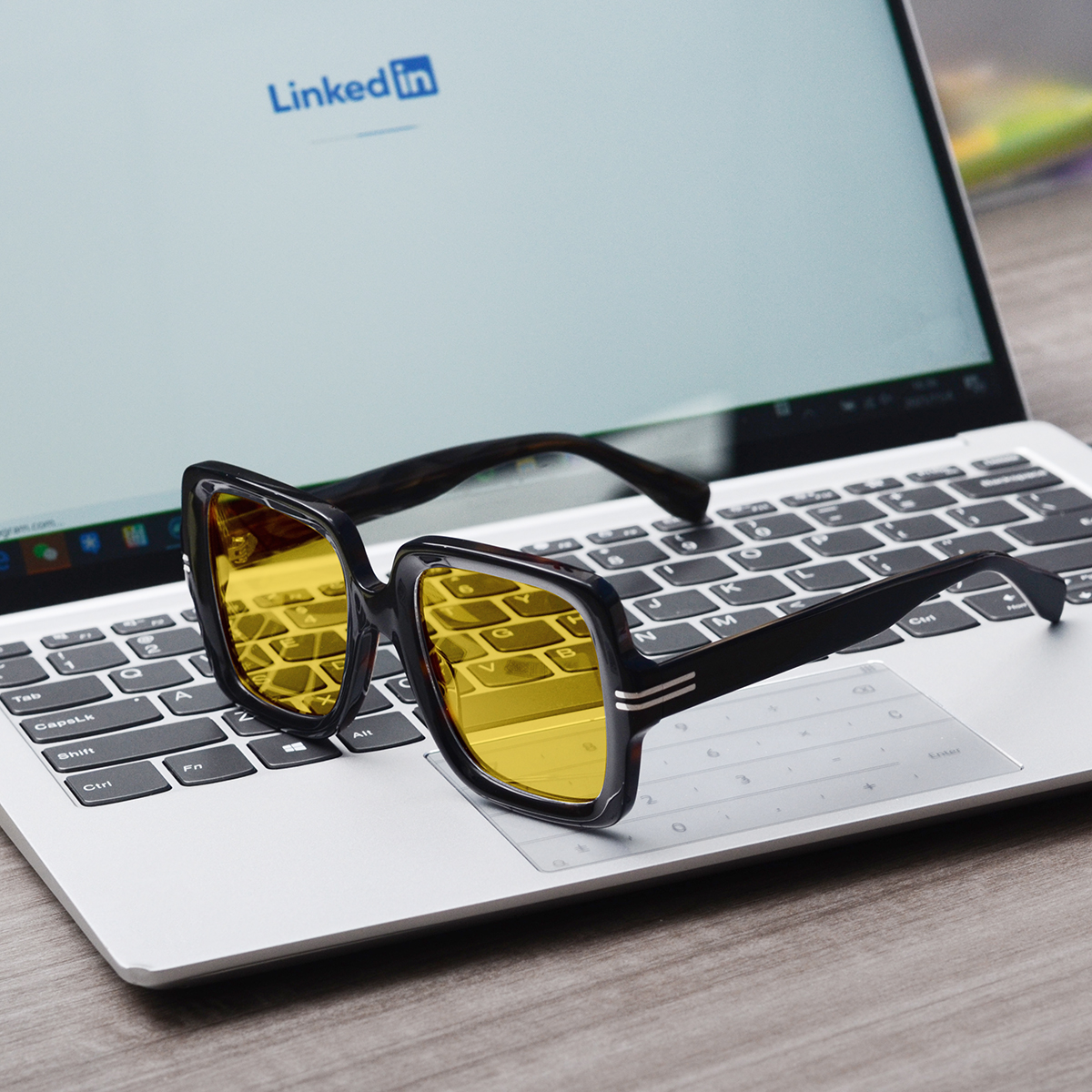
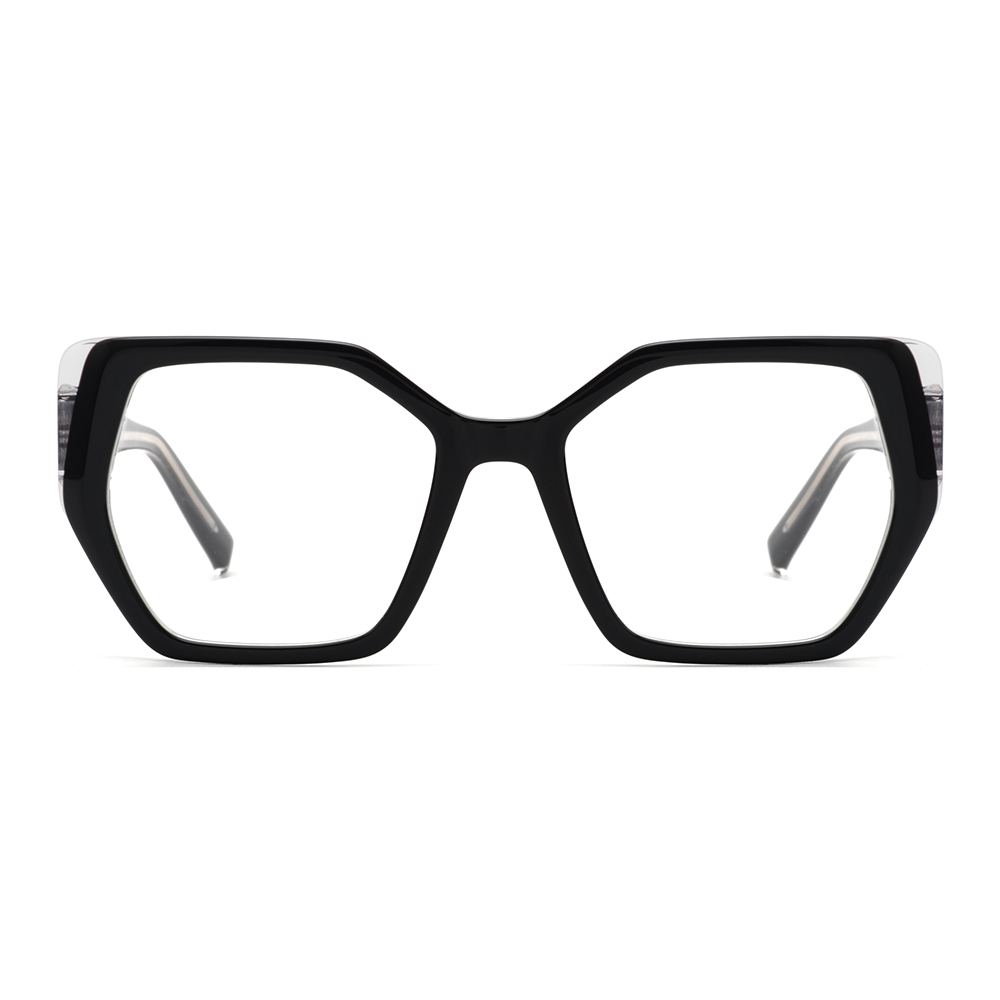
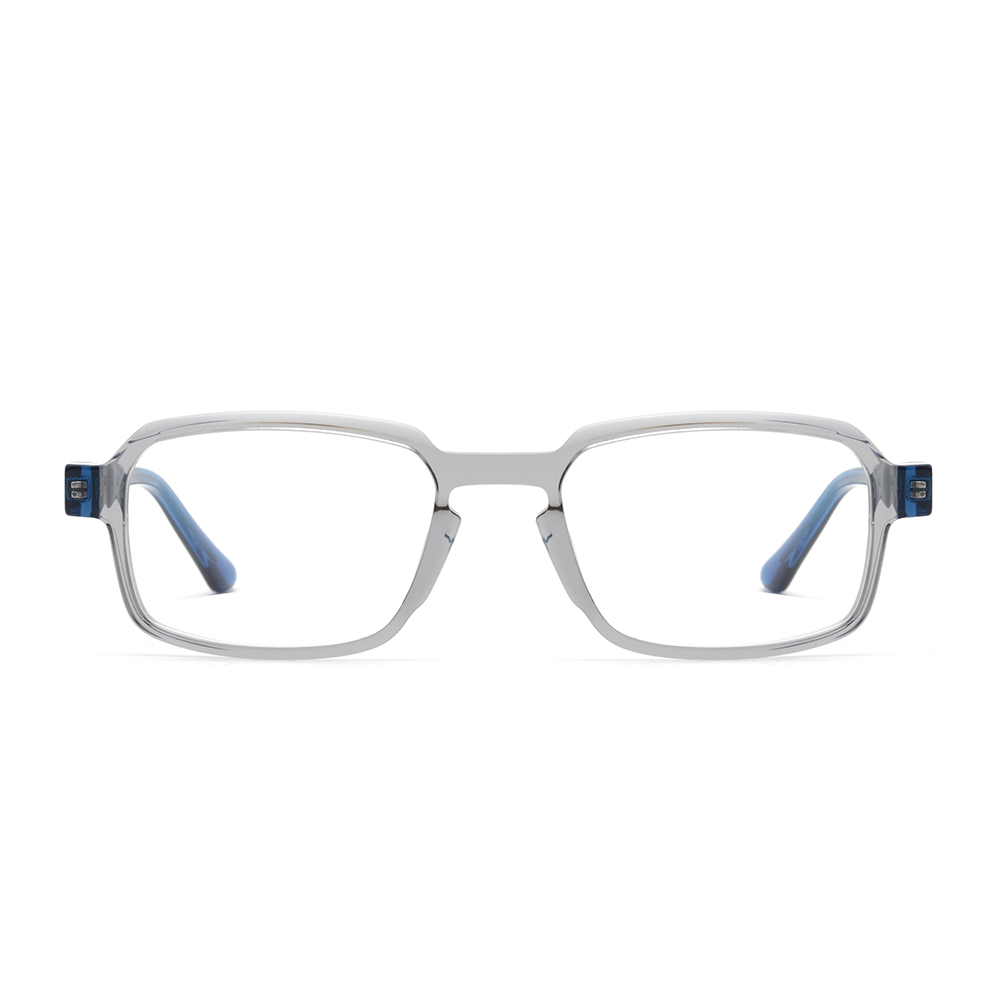
Blue light blocking glasses are specially designed lenses that filter or absorb high-energy blue light (380-500nm) emitted by screens (phones, computers, TVs) and LED lighting. They help reduce eye strain, improve sleep, and may lower the risk of long-term eye damage.

Who Should Wear Blue Light Blocking Glasses?
1. Office Workers & Digital Professionals
Ideal for: Programmers, designers, writers, customer support agents
- Spending 8+ hours daily in front of screens can cause dry eyes, headaches, and blurred vision.
- Blue light glasses reduce glare and eye fatigue, improving comfort during long work sessions.
2. Students & Online Learners
Ideal for: Students, researchers, remote learners
- Extended reading on tablets or laptops strains the eyes.
- Blue light blocking lenses help maintain focus and reduce discomfort during study sessions.
3. Gamers & Heavy Social Media Users
Ideal for: Esports players, frequent video streamers, social media enthusiasts
- Prolonged screen exposure leads to digital eye strain and sleep disruption.
- Blue light glasses minimize glare, making extended gaming or scrolling easier on the eyes.
4. Nighttime Screen Users
Ideal for: Late-night workers, bedtime smartphone users
- Blue light suppresses melatonin, disrupting sleep cycles.
- Wearing blue light glasses in the evening can improve sleep quality.
5. People with Dry or Sensitive Eyes
Ideal for: Dry eye sufferers, contact lens wearers, post-surgery patients
- Blue light can worsen dryness and irritation.
- These glasses provide an extra layer of protection alongside eye drops.
6. Older Adults (Preventing Macular Degeneration)
Ideal for: People over 40, those with a family history of eye disease
- Long-term blue light exposure may contribute to age-related macular degeneration (AMD).
- Blue light blocking glasses offer preventive care for retinal health.

How to Choose the Right Blue Light Glasses?
✅ Lens Type: Look for 30%-50% blue light filtration (higher may distort colors).
✅ Tint: Light yellow or clear coatings for minimal color distortion.
✅ Certifications: Trusted brands with lab testing (e.g., TÜV, ISO standards).
✅ Comfort: Lightweight, anti-reflective, and suitable for long wear.
If you’re a frequent screen user, night owl, or someone with sensitive eyes, blue light glasses can be a worthwhile investment. However, if your exposure is minimal, practicing the 20-20-20 rule (look 20 feet away for 20 seconds every 20 minutes) may be enough.
Protect your eyes—start today!